Stress-Free Parking in Chicago: A Parent’s Guide
ParkChicago, garage booking apps, street sweeping, the winter overnight ban, snow routes and guest permits: the Chicago parking rules that trip up families.
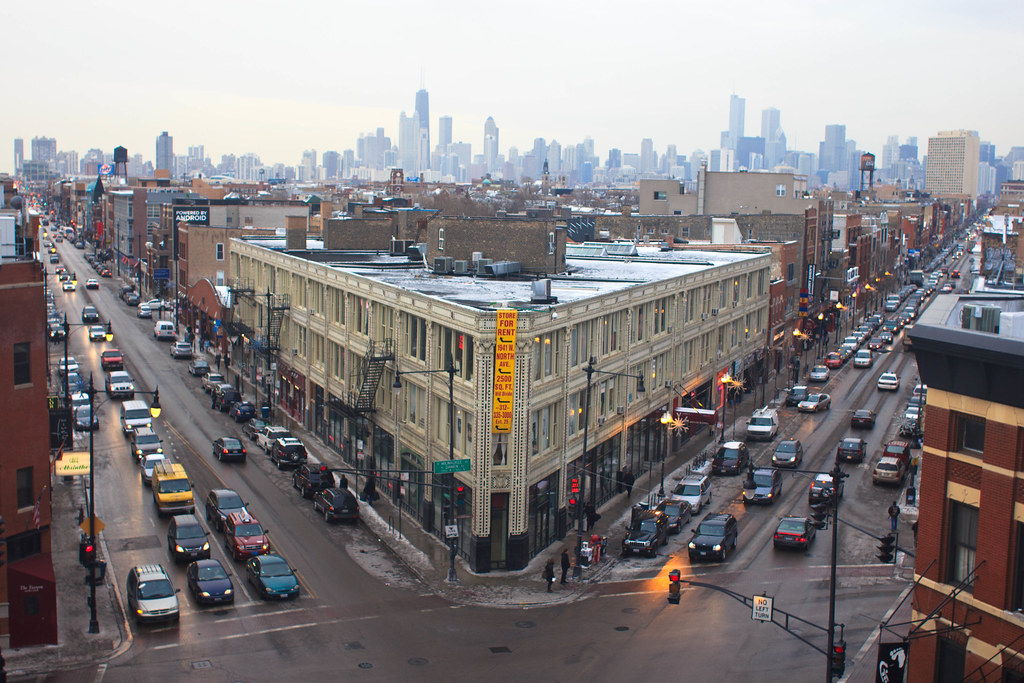
Photo: David Hilowitz / Flickr, CC BY 2.0
Parking in Chicago is not hard once you know the rules. It is the not knowing that gets you: the orange sign you did not see, the snow route you did not realize you were on, the meter that is still running at 9 p.m. Add a car full of kids and it is easy to rush. This guide covers the main things to know, from meters and apps to the seasonal rules that catch even longtime residents.
This is general information, not legal advice. Parking rules, fees and fines change, so check the City of Chicago’s official pages for current details.
Street meters and the ParkChicago app
Most metered streets in Chicago use pay boxes rather than individual meters. You pay for your spot by entering your plate, then pay with a card or coins. There is no paper receipt to leave on your dashboard, because enforcement checks your license plate.
The easier option is the ParkChicago app. You set up an account with your plate and a payment card, then enter the zone number posted on the nearby sign or pay box. The big advantage with kids is that you can add time from your phone, so you do not have to leave the playground to feed a meter. The app can also remind you before your time runs out. There is a small convenience fee on some shorter sessions.
A few things to watch:
- Read the hours on the sign. Meter hours vary by area, and some downtown and busy commercial zones are enforced late into the evening or around the clock.
- Check for rush-hour restrictions. Some main streets ban parking during morning or evening rush, and cars get towed, not just ticketed.
- Know the time limit. Paying more does not always let you stay longer. Some zones have a maximum.
Garages and booking ahead
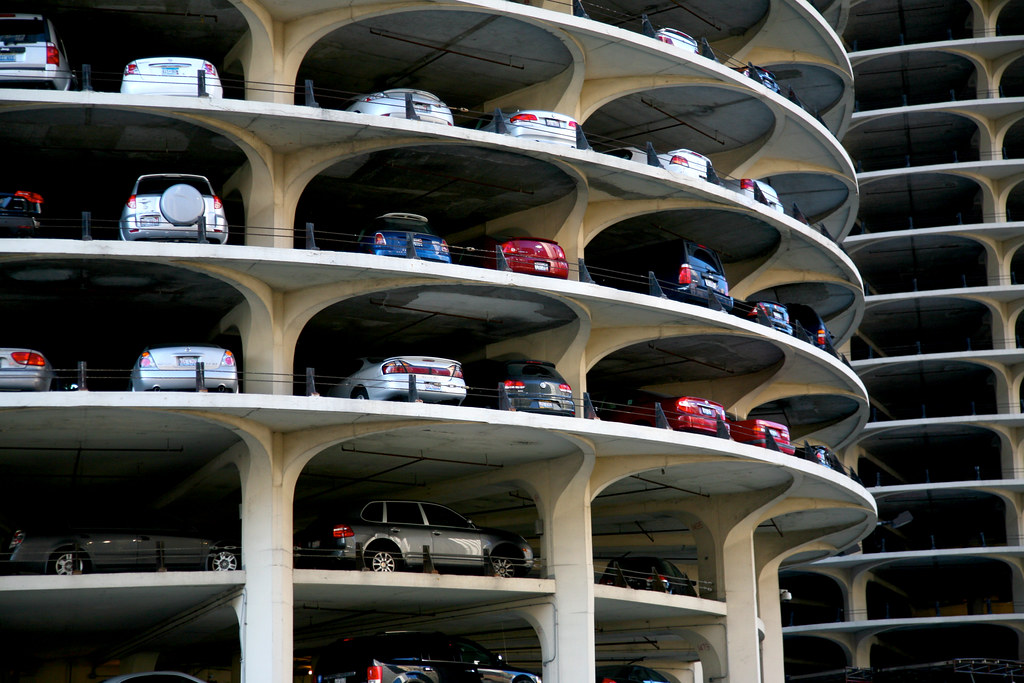
For downtown, museum days, the lakefront or a big event, booking a garage ahead is usually the calmest option. Apps such as SpotHero and ParkWhiz let you compare garages near your destination and reserve a spot, often at a lower rate than the posted drive-up price. You know the price and the location before you leave home, which is worth a lot when a kid is car sick.
A few tips:
- Check the garage’s height limit if you have a roof box or a tall van.
- Note the garage entrance address, which is often on a different street from the building’s address.
- Look for a garage a few blocks from the main attraction. It is usually cheaper and quicker to get out of after events.
- Museum Campus and Navy Pier have their own garages and lots, but they fill up and can be expensive on busy days. Transit may be easier.
Street cleaning
From April through mid-November, the city’s Department of Streets and Sanitation sweeps residential streets on a rotating schedule. Before a sweep, temporary orange “No Parking” signs go up on the block, posted with the date. Cars left on the street during the sweeping window can be ticketed and towed.
- Check your block’s schedule on the City of Chicago’s website, where you can look up street sweeping by ward and section.
- Use the city’s Sweeper Tracker at chicago.gov/sweepertracker to see where sweepers are in real time.
- Walk past your car each evening during the season if you park on the street. Orange signs can go up while you are away for a day or two.
Winter rules: the overnight ban and snow routes
Winter has two separate rules, and mixing them up is the most common way new residents get towed.
The winter overnight parking ban runs from December 1 to April 1 every year, from 3 a.m. to 7 a.m., on about 107 miles of main arterial streets. It applies whether or not there is snow on the ground. Streets are marked with signs. If you park on one of these streets overnight in winter, you will likely be towed, and the combined towing fee, ticket and daily storage charges add up fast.
The two-inch snow parking ban covers about 500 more miles of streets. It only takes effect when at least two inches of snow has fallen, and it can kick in at any time of day and any month. These streets also have signs. When the ban is activated, cars on those streets can be towed so plows can clear them.
The city publishes maps of both routes on its website. Check them before you sign a lease or choose where to park for the winter.

Residential permit zones
Many neighborhoods have residential permit zones where only cars with a matching zone number on their city sticker can park during posted hours. Visitors without a permit can get ticketed.
If you live in a zone and have grandparents, babysitters or friends visiting, you can buy daily guest permits from the City Clerk’s office, online or in person. Each pass is valid for 24 hours from the date and time you write on it, and there is a limit on how many a household can buy each month. Keep a sheet in the house before you need it.
If your car gets towed
Call 311 or use the city’s online vehicle lookup to find out where your car was taken. Go as soon as you can, because storage fees add up daily. Bring your ID, your registration and a payment card. If you have kids with you, call ahead to check the pound’s hours and whether you can get there easily by transit or a rideshare with car seats.
A few habits that help
- Take a photo of the parking signs where you park.
- Set a phone reminder for the overnight ban on December 1.
- Keep coins and a card in the car for pay boxes, in case your phone dies.
- When in doubt, take the CTA, especially for big events.
If you are new to the city, our guide to choosing a Chicago neighborhood with kids covers how street parking and permit zones vary by neighborhood. And for the rest of the cold season, see 14 tips to help your family survive a Chicago winter.