Moving to Chicago With Kids: How to Choose a Neighborhood
Schools, commutes, parks and space: the questions that matter more than the listing photos.
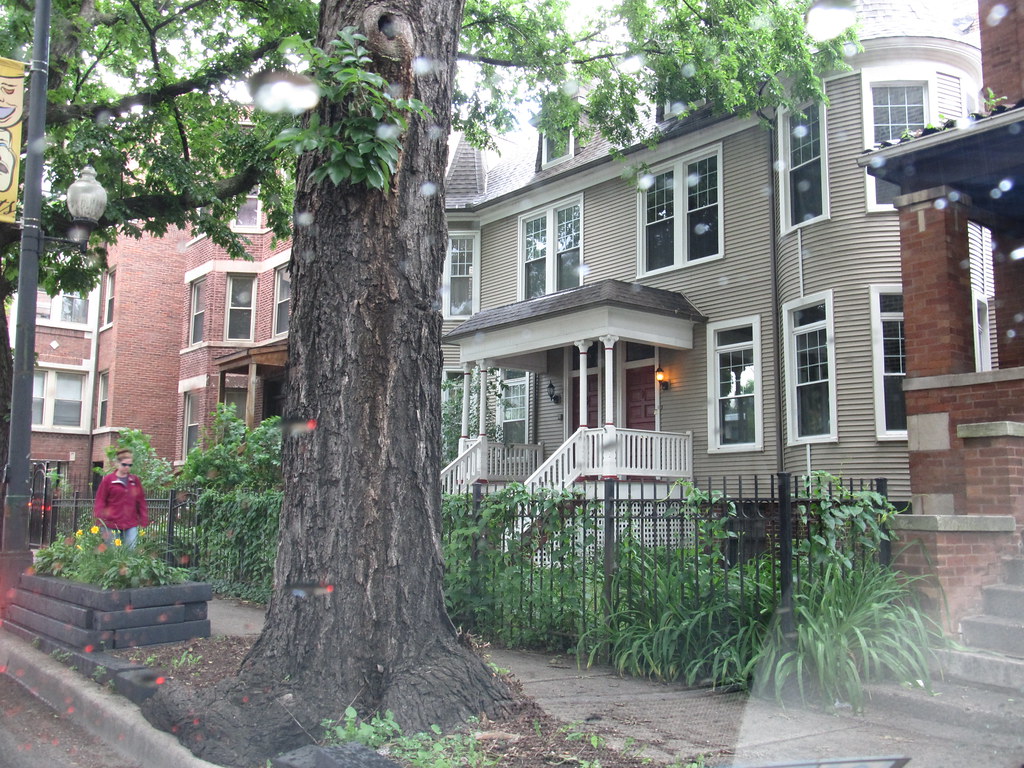
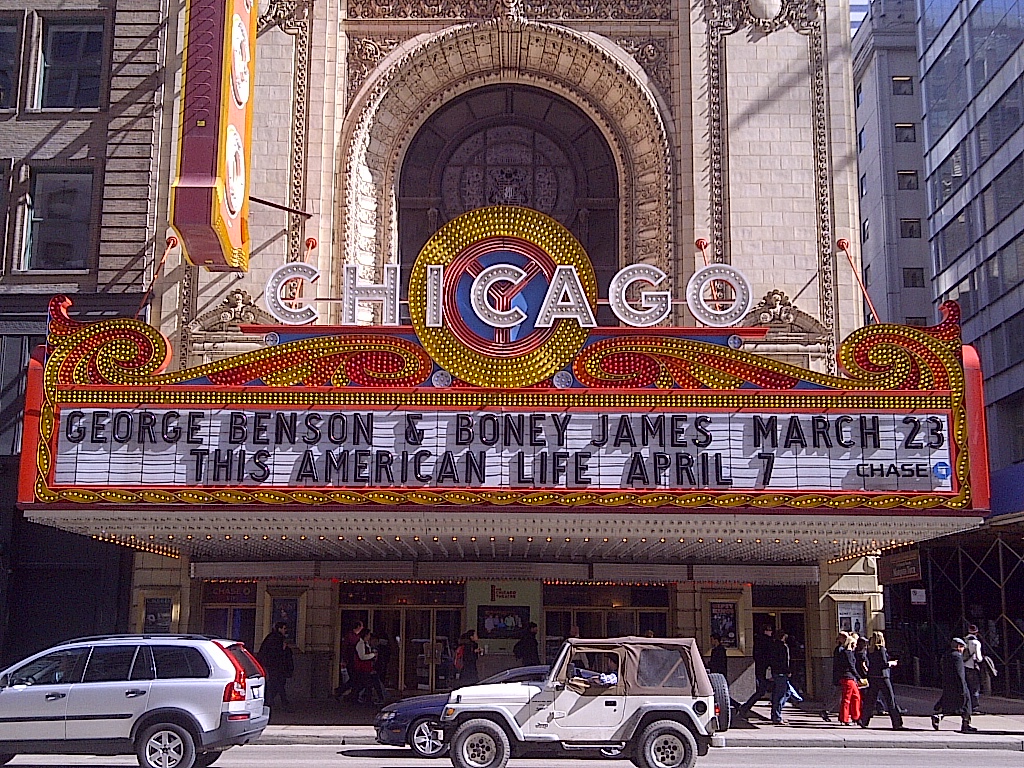
Photo: Ken Lund / Flickr, CC BY-SA 2.0
Chicago describes itself as a city of neighborhoods, and for families that’s more than a slogan. More than seventy community areas, each with its own schools, parks, transit and feel. Choosing between them is the biggest decision in a move here, often bigger than the house or apartment itself. This guide won’t name the “best” neighborhood, because that depends on you. It will help you work out which questions matter most.
Start with schools, even if your kids are small
Chicago Public Schools has neighborhood schools with attendance boundaries, plus magnet, selective enrollment and charter options with their own applications. Where you live decides your default elementary and high school. Look up the attendance boundary for any specific address before you sign anything. Two buildings a block apart can be zoned to different schools.
Visit the schools if you can, and talk to parents at the playground nearby. A school’s reputation and the day-to-day reality aren’t always the same.

Think about the commute you’ll actually do
- How close is the nearest ‘L’ station or Metra stop?
- How long is the trip at rush hour, not on a Sunday?
- Will you drive? Then check parking, permit zones and winter street-cleaning rules.
- How far is daycare or school from both home and work?
A shorter commute is time back with your kids every single day. It’s worth paying for.
Walk the blocks around the address
Before you commit, spend an hour on foot nearby, ideally on a weekday afternoon and again in the evening. Look for:
- The nearest park and playground, and whether it’s busy with families.
- A grocery store within walking distance. You will be grateful in February.
- Library branches. They’re free, they’re warm, and they run programs for kids.
- Traffic on the main streets, if you have kids who will walk to school.
Be honest about space
Many families move here expecting a single-family house and end up loving a two-flat or a condo. Others try apartment living with a baby and want a yard by the second child. Think about where you’ll store the stroller, how many flights of stairs you’ll carry it up, and whether there’s in-unit laundry. These details shape your daily life more than the view.
Rent before you buy, if you can
If you’re coming from out of town, renting for a year is the lowest-risk way to learn the city. You’ll find out which neighborhoods you keep going back to on weekends, and that’s usually the answer to where you should live.
Plan your first month
Once you’ve moved, get a Chicago Public Library card, find your park district fieldhouse (they run classes all year), and look at your museum free days. The quickest way to feel at home in a new neighborhood is to start using it.