How to Prepare for a Move With Kids: A Week-by-Week Plan
A six-week moving timeline for families, covering school paperwork, parking permits, open-first boxes for each child and setting up kids’ rooms first.
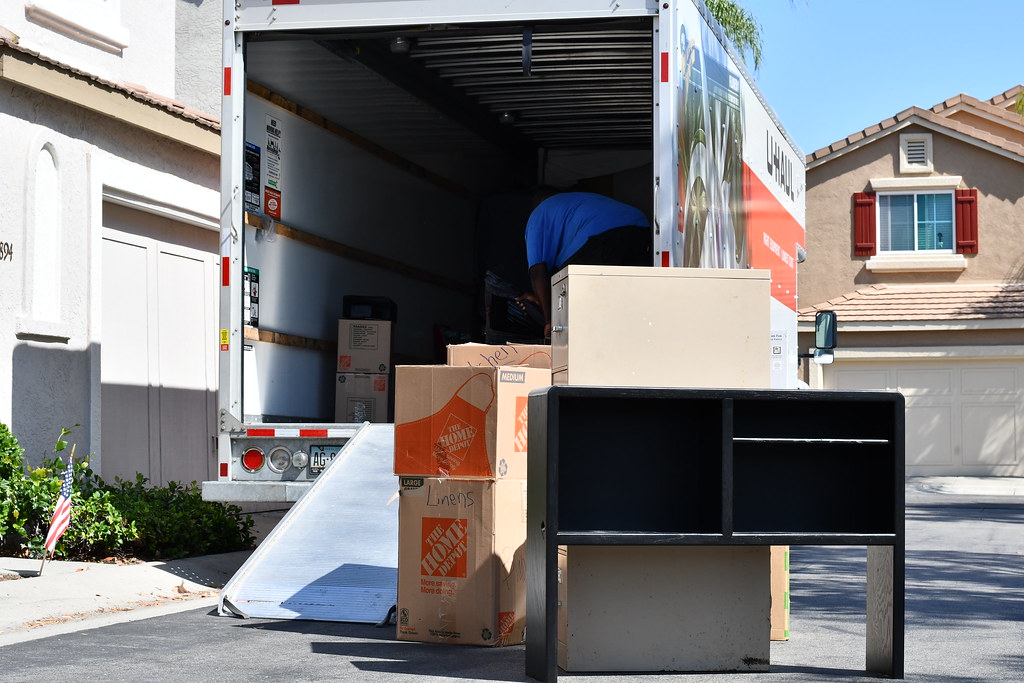
Photo: hireahelper / Flickr, CC BY 2.0
Moving with kids is mostly a scheduling problem. The packing is the same as any move, but you’re doing it around naps, school runs and small people who want to unpack whatever you just taped shut. A plan that starts about six weeks out spreads the work so the last few days don’t fall apart.
This timeline assumes a local or regional move with school-age or younger kids. Stretch or squeeze it to fit your dates.
Six to five weeks out: decide, book and tell people
- Book movers or a truck. End-of-month and summer dates fill up first. If you live in Chicago, check whether you need a temporary no-parking permit for the moving truck on your street. The Chicago Department of Transportation issues enforceable signs, and they need to be requested well ahead so the city can post them, so look it up on chicago.gov early rather than the week of. Some ward offices also hand out free courtesy signs, but those aren’t enforceable.
- Sort out school. Contact the new school about enrollment, records and any paperwork. Ask the current school how to request transcripts or records transfer.
- Tell the kids. Give them the basics: when, where and what stays the same. Younger kids do better with a simple story they can repeat. Older kids want details, like which bedroom is theirs and whether they can still see their friends.
- Start a moving folder. Leases, closing documents, mover contracts, school forms and medical records go in one place, physical or digital.
Four weeks out: declutter while you still have energy
Everything you don’t move is a box you don’t pack, carry or unpack. Go room by room and sort into keep, donate, sell and recycle. Do kids’ rooms with the kids if they’re old enough to have opinions, but keep the sessions short, around 20 minutes. If you have a lot to sell, list the big items first, since furniture and baby gear can take a couple of weeks to find a buyer.
This is also the week to start collecting boxes. See our list of eight places to find free moving boxes.
Three weeks out: pack what nobody will miss
- Out-of-season clothes, holiday decorations, extra linens, books and anything in storage.
- Toys that have been in a bin for months. Leave out a small rotation of favorites.
- Label every box with the room it’s going to and a short list of contents. A numbering system with a matching list on your phone makes it easy to find things later.
Arrange childcare for moving day now. A grandparent, a friend or a sitter taking the kids for the day is the single biggest thing you can do to make the day go smoothly. Movers carrying a sofa and a toddler underfoot don’t mix.
Two weeks out: logistics and loose ends
- Forward your mail with USPS and update your address with banks, insurance, employers and subscriptions.
- Schedule utilities: stop service at the old place the day after you leave and start it at the new one the day before you arrive, especially internet, which can take time to install.
- Refill prescriptions and ask your pediatrician’s office for copies of records if you’re switching doctors.
- Use up the freezer and pantry. Plan simple meals for the last week.

The last week: the open-first boxes
Pack everything except daily essentials. Then build the boxes you’ll open first at the new place:
- A box for each child. Pajamas, a change of clothes, toothbrush, a favorite stuffed animal or blanket, a nightlight and a couple of books. Let older kids pack their own.
- A kitchen box. A few plates, cups and utensils, dish soap, a sponge, snacks, paper towels and a pan.
- A bathroom box. Toilet paper, hand soap, towels, shower curtain and rings, medicines and a basic first aid kit.
- A tools box. Box cutter, screwdriver, Allen keys, tape, trash bags, phone chargers and lightbulbs.
Mark these with a bright color and move them in your own car, not the truck.
Moving day and the first week
Set up the kids’ rooms first, before the kitchen or the living room. Getting beds made, curtains or blackout shades up and familiar things on the shelves helps everyone sleep that first night, including you. After that, the kitchen and bathroom, then everything else at a pace you can sustain.
Keep routines as close to normal as you can: the same bedtime, the same breakfast, the same bath night. Kids adjust faster when the house is new but the day feels familiar. Walk the neighborhood together in the first few days, find the nearest playground and library, and let them pick a “new favorite” spot. If you’re moving in stages or living somewhere temporary first, our post on three homes in three weeks covers that in-between stretch.
One last tip: take a photo of the back of your TV and router before you unplug anything. Reconnecting cables at 10 p.m. is much easier when you can see how they went.


